
A pool is more than just a leisure area. It is a structure in constant contact with water and permanently exposed to temperature changes, chemicals, substrate movement, and intensive use for much of the year. That is why, when building or renovating a pool, waterproofing should not be seen as a secondary phase of the project, but as one of the key factors determining its durability.
At first glance, a pool may look perfectly finished. The lining may be properly installed, the design attractive, and the initial result may convey quality. However, if the substrate has not been properly waterproofed, problems will show up over time: leaks, tiles coming away, staining, damp, or materials that deteriorate before their time.
The difference between a well-built pool and one that keeps causing trouble is not always something you can see. Often, it lies in the layers hidden beneath the final finish.
One of the main challenges in any pool is that water exerts constant pressure on the structure. A small crack, a badly detailed joint, a weak junction, or an area left without enough protection is all it takes for water to work its way in and damage the substrate.
Problems like this rarely show up straight away. More often, the first signs appear once the pool is in use: the water level dropping slightly, damp patches on the outside of the shell, efflorescence, tiles coming loose, or damage in one or two specific spots.
Therefore, proper waterproofing means more than just preventing an obvious leak. It means creating a continuous barrier that stops water finding its way through where you least expect it.
Throughout the year, a pool is exposed to highly variable conditions. In summer, it endures heavy use, more frequent cleaning, more maintenance products, and greater sun exposure. In other seasons, it can be affected by temperature changes, rain, frost in certain areas, or long periods of inactivity.
All these factors put the materials under stress. The substrate can undergo slight movement, the joints may come under stress, and the junctions between elements can become vulnerable points. If the waterproofing cannot move with the structure, problems will eventually show through in the final finish.
In this context, a waterproofing solution must provide continuity, strength, and reliability to the structure as a whole. It is not just about protecting the pool shell, but also about helping the entire system perform better for longer.
In many renovations, the focus falls on replacing the tiles, updating the design, or improving the look of the space. Understandably so: the lining is what people see, and what most transforms the final impression of the pool.
But a properly planned renovation should go further than the surface finish. Before installing the new lining, it is advisable to check the condition of the substrate, the junctions, any areas where cracks may have formed, and the existing waterproofing. If these issues are not properly addressed, the new finish may simply mask a problem that will continue to worsen underneath.
A renovated pool should look better, but it must also function better. And to achieve this, waterproofing is an essential part of the project.
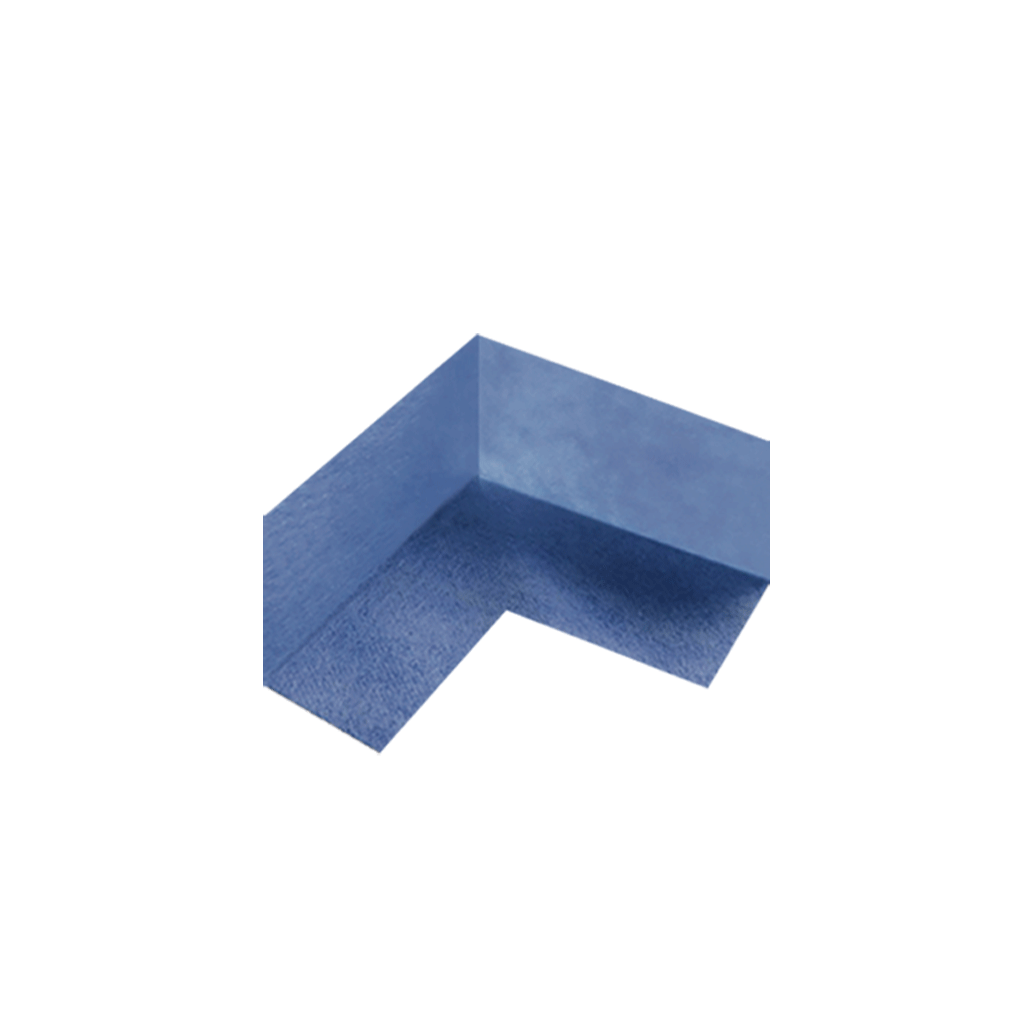
Not all areas of a pool carry the same level of risk. Wall-to-floor junctions, corners, changes of plane, steps, drains, underwater lights, inlet nozzles, skimmers, and pipe connection points all require special attention.
This is why a properly planned waterproofing system should not rely on a single overall coat spread across the surface. It must be understood as a complete system, capable of protecting both large surfaces and the points where water most easily finds a way through.
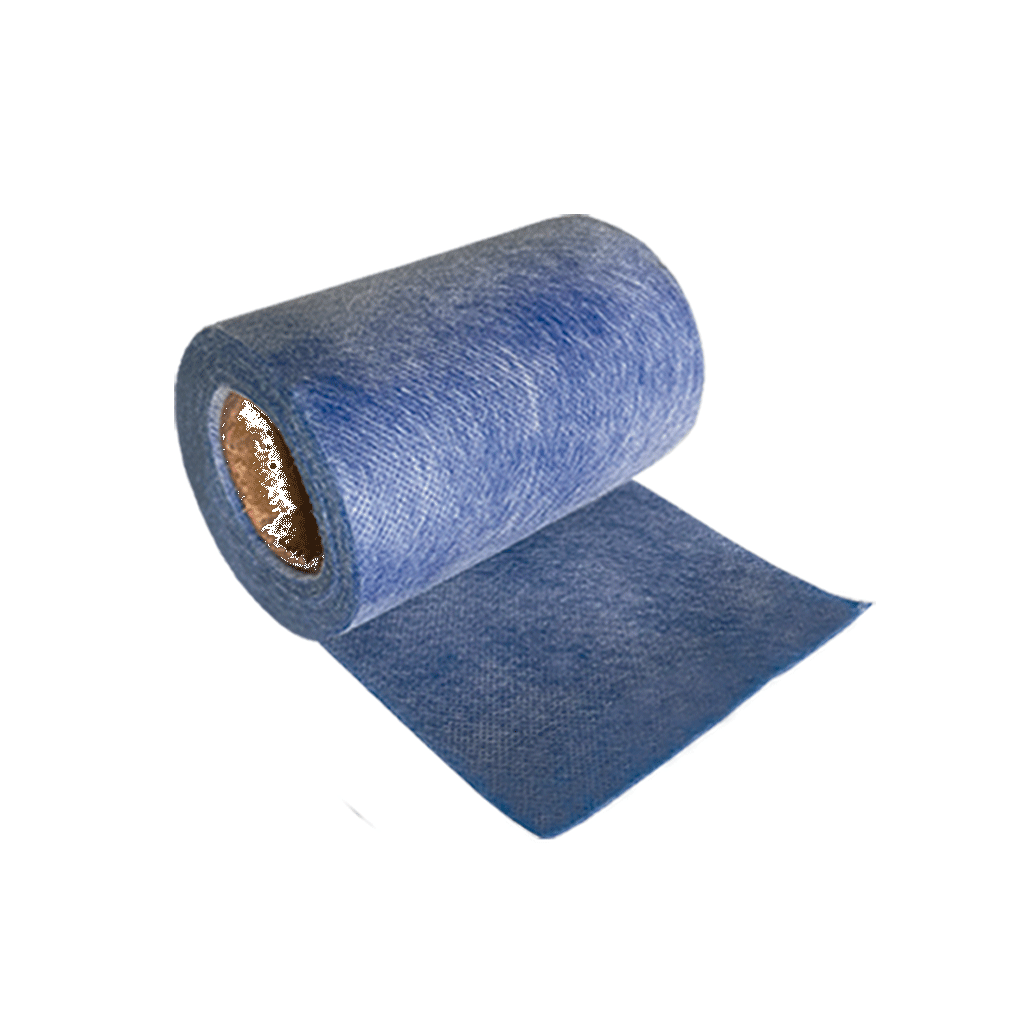
In the overlaps between sheets, for example, the WPB.5/30 helps reinforce the joints and maintain continuity in the waterproofing. In a pool, where the slightest break in continuity can let water in, this kind of reinforcement matters more than ever.
Corners are also critical areas. For internal junctions, a component such as I-Waterproof.5 makes it possible to waterproof with greater reliability and continuity. For external junctions, E-Waterproof.5 performs the same function in areas where the work must be especially precise.
Attention should also be paid to pipe penetrations and elements that pass through the pool shell. At these points, solutions like D-Waterproof.5 help reinforce the seal around pipes, reducing the risk of leaks in one of the most sensitive areas of the project.
In this way, waterproofing goes beyond simply covering a surface. It protects the project as a whole at the very points where water is most likely to get in.
A poorly waterproofed pool can cause more than just leaks. It can also mean more maintenance, more frequent repairs, and a shorter life for the lining.
When water gets in where it shouldn’t, the damage tends to spread gradually. What begins as a minor sign can end up affecting much larger areas of the project. In some cases, the solution involves emptying the pool, removing tiles, repairing the substrate, and redoing part of the finish.
Investing in good waterproofing from the outset therefore makes far more sense than putting problems right once the pool is finished and in service.
Furthermore, a complete system makes it easier to give every point of the project its own specific solution. The strips reinforce the overlaps, the corner pieces resolve the junctions, and the pipe accessories allow for safer work in particularly sensitive areas.
In pools, the final look depends on many factors: the type of lining, the colour, the format, the installation, and how it fits in with the surroundings. But for that finish to keep its quality year after year, it needs a properly prepared base.
Proper waterproofing means the lining sits on a better-protected substrate. It also makes the project more reliable and reduces the risk of the final result losing value because of problems that could have been avoided during the installation phase.
In the home, that means peace of mind for the owner. In hotels, residential communities, sports facilities, or tourist accommodation, it also means fewer incidents, a more professional image, and no need for work that could disrupt use of the pool.
That is why Waterproof.5 solutions should not be seen merely as a technical add-on. They are part of a more professional approach to the job: waterproofing planned from the ground up, with attention to detail and specific products to resolve the most delicate areas.
Properly waterproofing a pool is, ultimately, about planning ahead. Planning ahead for water, use, wear and tear, substrate movement, and problems that are not always visible at the time of handover.
A well-finished pool is not just one that looks clean and well-kept on the first day. It is the one that keeps working, stays watertight, and holds its quality year after year.
Waterproofing, then, is not just one more technical detail: it is one of the most important decisions in the whole project. Because when a pool fails, the problem is often not in what you can see, but in what was not properly protected from the beginning.
If you need advice on choosing the most suitable solution for waterproofing a pool, contact us. We will help you find the option that suits your project best and delivers a safer, longer-lasting, more professional result.


