
In many renovation projects, the staircase is treated as just another part of the overall space. The surface is selected, the finish defined and everything is designed to work visually with the surroundings. However, when it comes to detailing a staircase, there is one decision that has far more impact on the final result than it may seem: choosing the right profile for the treads.
This not just an aesthetic issue. On a staircase, every step is subject to constant use. It is exposed to impact, abrasion, dirt, moisture in certain environments and particularly heavy wear along the edge. For this reason, finding the solution is not simply about selecting the right visible material. It also means considering how each tread is finished, how the profile performs under use and how it integrates with the surface finish.
This approach is important because many issues or losses in perceived quality are not due to poor decorative choices, but rather to insufficient consideration given to one of the most exposed areas of the entire installation. When the edge detail is properly resolved, the staircase not only looks better on completion — it also performs better over time.
In new-build projects, many decisions are made from scratch. In renovation work, however, the starting point is often defined by existing conditions. The structure of the staircase, the type of substrate, the environment in which it will be used and the intended finish all directly influence the choice of profile and how each tread is detailed.
For this reason, choosing well does not mean applying a standard solution, but understanding what the installation truly requires. It is also important to consider which profile best suits the intended use and the type of staircase. Renovating an indoor domestic staircase is not the same as working on one exposed to heavier traffic, moisture or more demanding conditions. Depending on the case, solutions such as Eurostep 245R may be more suitable for rustic-style coverings, Eurostep 208A when the priority is enhancing safety, or Eurostep 295A for faster or easier installations. Not all finishes behave in the same way either. A uniform surface responds differently to a rustic or textured one.
Each situation requires thinking not only about the final appearance, but also about the functionality of the whole.
In this sense, the tread profile stops being a simple accessory and becomes both a technical and aesthetic decision. It must protect a sensitive area, support daily use and align with the material language of the project.
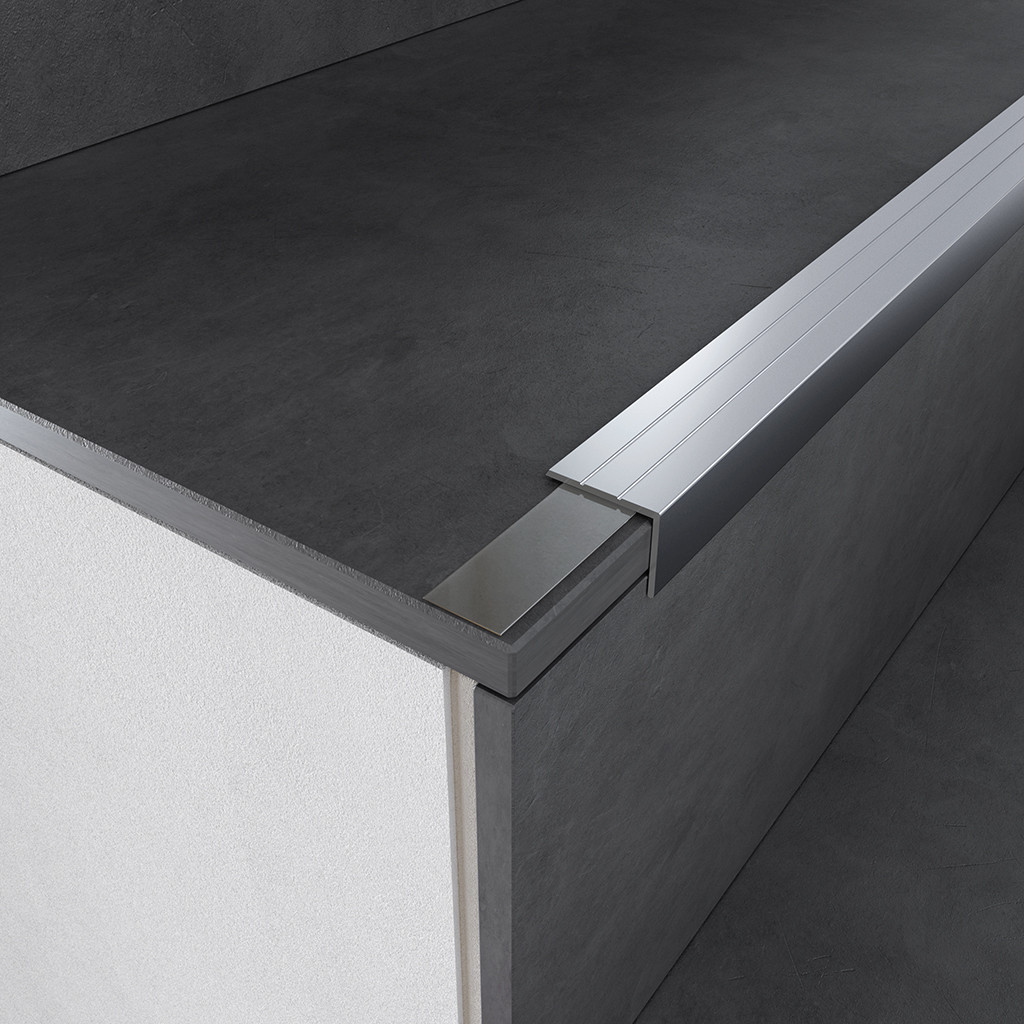
Within a staircase, the edge of the tread is one of the most sensitive areas. It is the point that receives the most contact when going up and down, and one of the first to show signs of wear. This is why the tread profile carries far more importance than is often assumed, especially when using solutions such as Eurostep 209A, Eurostep 209S or Eurostep 279S, designed to protect the edge, improve step visibility and deliver a more refined finish.
When this detail is not properly resolved, the staircase can quickly lose visual quality and feel less solid in use. By contrast, when the right solution is chosen, each step gains in protection, continuity and safety. This balance is particularly important in renovation projects, where the aim is not only to update the appearance of a space, but also to improve its performance without compromising its aesthetic coherence.
Choosing the right profile also means anticipating how the staircase will age. The difference between a solution that is simply acceptable and one that is well considered often lies precisely in these details.
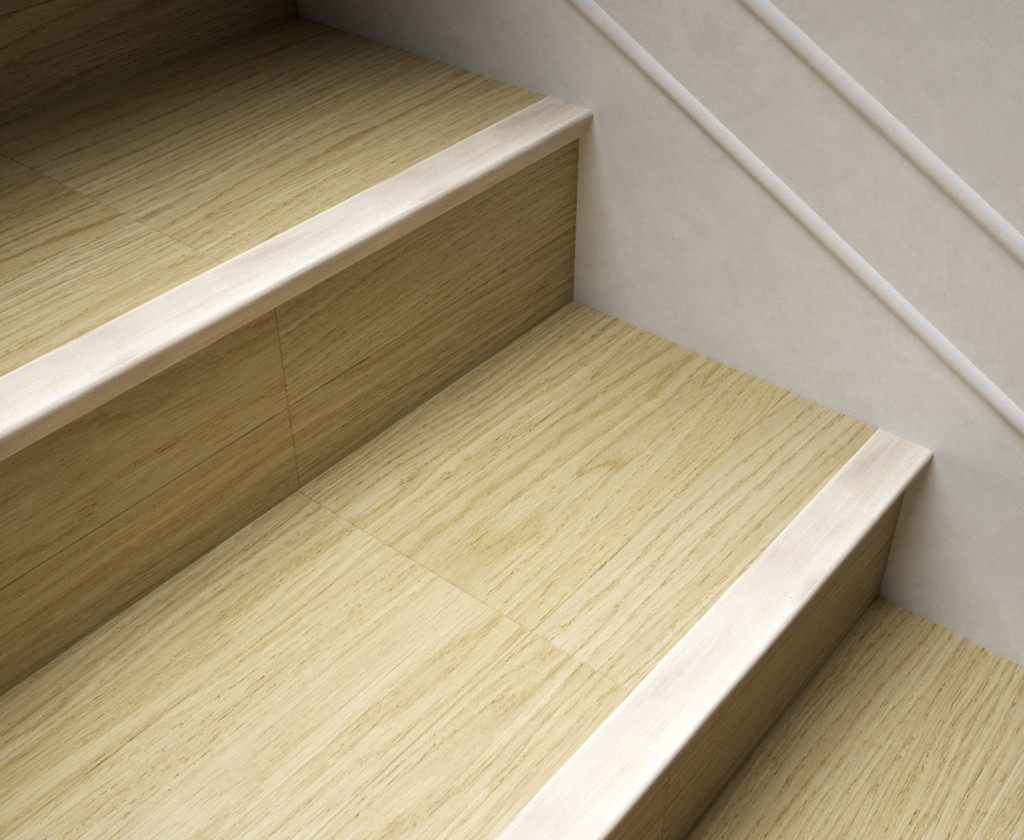
One of the most important aspects to consider in this type of work is the surface covering that the profile will be paired with. Not all surfaces are smooth, uniform or regular.Many projects involve rustic finishes, textured materials or pieces that, by their nature, require a finishing solution capable of integrating without disrupting visual continuity.
This point is crucial because a profile may fulfil its technical function and still not work visually if it clashes with the surface. When this happens, the overall result loses coherence and the staircase appears less refined. By contrast, when the detail complements the character of the installed material, the perception changes completely.
Therefore, it is not enough to consider dimensions or resistance alone when making your choice. It is equally important to think about how the profile will coexist with the chosen finish and whether it is truly designed for that type of surface. In rustic or textured coverings, solutions such as Eurostep 268R or Eurostep 245R Texture allow for a better integration without breaking the visual continuity of the space.
For any staircase, safety is a fundamental consideration. It should never be treated as secondary, as each step concentrates the user’s weight on a very specific and exposed area. In renovation projects, the objective is often to improve the functionality of an existing element, not just update its appearance.
This is where the anti-slip performance of the profile becomes important. A well-designed surface can improve grip and help the staircase respond better to everyday use. This is particularly relevant in high-traffic areas, outdoor access points or spaces where moisture or dirt may be present. In this context, profiles such as Eurostep 215A or Eurostep 264A are specifically designed to enhance safety in use.
The decision, therefore, should not be based solely on how the profile looks once installed, but also on how it contributes to making each step more stable, comfortable and safe in everyday use.
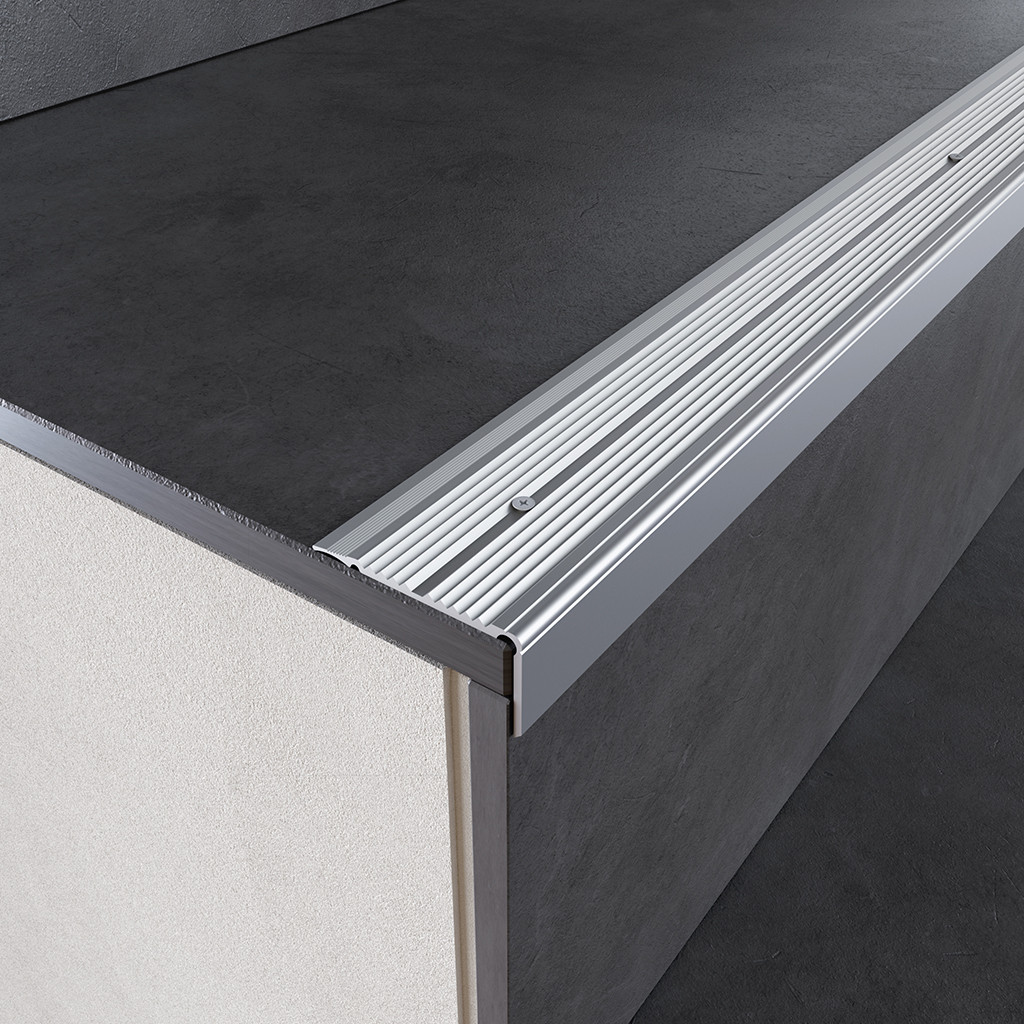
A well-executed renovation is not measured only by its immediate visual impact, but by how well the installation performs over time. For a staircase, durability largely depends on how the most demanding areas are resolved — and the profile is one of them.
When the right choice is made, each step is better protected, daily use has less visible impact on wear and the installation conveys a higher sense of quality. This is not about attributing all performance to a single element, but about recognising that certain components play a decisive role in the final outcome. In this respect, solutions such as Eurostep 222A or Eurostep 231A are particularly suitable when long-term functionality and resistance are required.
For this reason, in staircase renovations, choosing the right profile goes beyond aesthetics. It directly affects safety, integration with the surface and how the staircase ages over time.
If you would like to find the most suitable solution for your project or need further guidance, contact us. At Euroshrink, we will help you assess the option that best fits your surface, usage conditions and the specific requirements of your installation.


